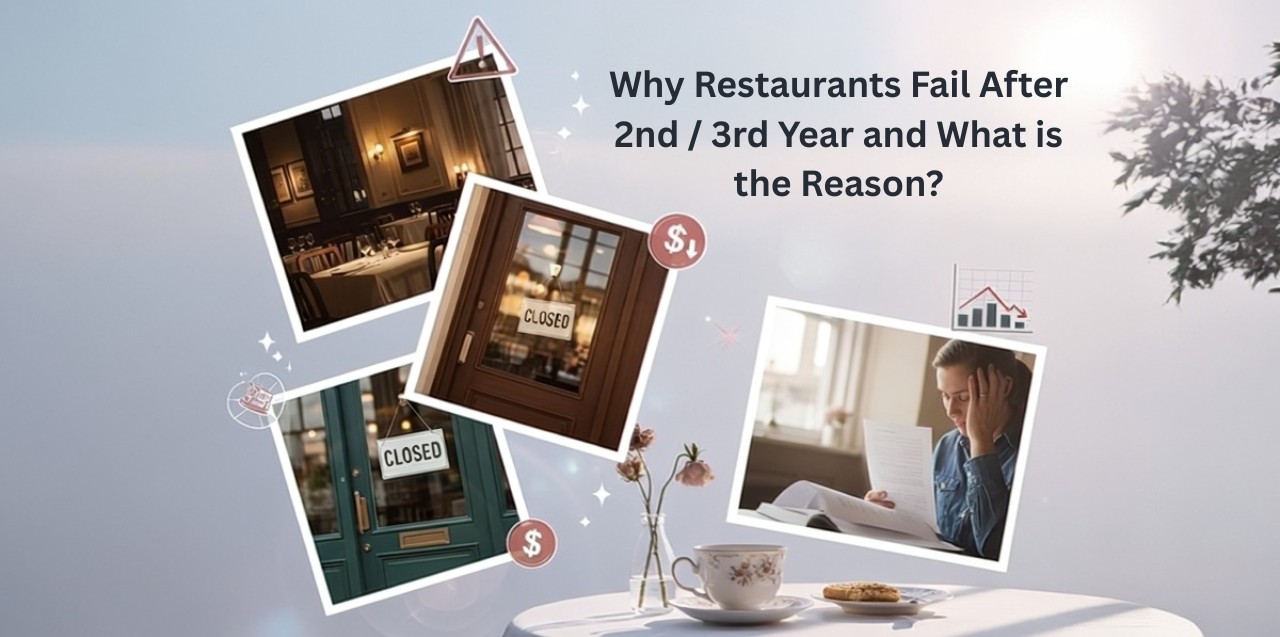
As an expert in the restaurant industry, I see the same story play out time and time again. An entrepreneur, fueled by a passion for food and a vision of a buzzing dining room, gathers their working capital to open their dream restaurant. The first year often feels like a victory lap, driven by the excitement of being new and the cushion of that initial investment.
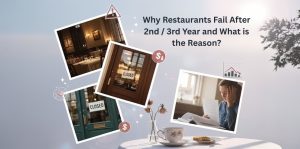
But then, by the third and fourth years, I watch as many of these same businesses struggle to maintain sustainability. The passion is still there, but the operational realities have set in.
The initial capital depletes, and operational complexities mount. The owner, so focused on filling seats and front-of-house service, has completely neglected the “engine room” of their business: the back office. This is the restaurant sustainability paradox: the very focus on sales that gets you open becomes your Achilles’ heel if it’s not balanced with rigorous back-office control.
In this guide, I’ll explain why this oversight is so detrimental and present the definitive solution to ensure your long-term profitability.
The “Excel Trap” and the Chaos of Manual Tracking
When I ask owners how they track their operations, the most common answer I get is “Excel.” Many restaurant owners rely heavily on Excel sheets for tracking everything.
Here’s the hard truth I have to deliver: this approach is costing you money.
This reliance on manual systems is a trap. It has severe limitations, especially when you’re trying to accurately analyse your costs and consumption. Spreadsheets are not real-time. They are prone to human error, and they are siloed. Your sales data is in your POS, your inventory is in one sheet, and your purchase orders are in another.
This makes it impossible to get a solid, real-time understanding of your procurement costs, your actual kitchen consumption, and your material usage. You’re flying blind, and two major profit vampires are draining you dry.
In this business, food waste translates directly into substantial financial losses. Tracking this waste is essential to ensure your production planning is accurate. Without a system, you can’t see the waste, you can’t plan for it, and you are literally throwing your profits in the bin.
For the Telugu YouTube video, Click Here.
The Solution: A Centralised System for True Cost Control
This is why I am so passionate about one thing: the absolute necessity of a robust back-office system to create a sustainable restaurant business.
You need to shift from guessing to knowing.
This is exactly why we built our end-to-end restaurant management system at Toyaja Software. We designed it to give you a single, centralized source of information so you can finally assess whether you are in profit or loss daily, not just when your accountant sends a report weeks later.
When you move from a chaotic collection of spreadsheets to an integrated restaurant ERP, the change is immediate.
From Disconnected Data to Real-Time Decisions
Our software covers everything from purchasing to inventory management, ensuring you have a clear, real-time understanding of your operations. We help you to monitor your purchase management in detail. You can finally see:
- How much material is purchased from which vendor?
- How much of that material is transferred to the kitchen?
- How much is actually consumed versus how much is sold?
From Wasting Food to Controlling Costs
This centralised control is the key to profitability. Our software enables you to control your costs and manage your inventory properly.
Most importantly, it gives you the tools to significantly plan for food waste reduction. By accurately tracking consumption against sales, you can fine-tune your production planning and stop over-ordering. This control directly impacts your bottom line, increasing your profit margins.
From Guesswork to Strategy: The Tangible Benefits
By adopting Toyaja, you move from reactive problem-solving to proactive business management. The benefits are immediate and impactful:
- See Everything, Know Everything: With all data centralised, you get a live, 360-degree view of your business. You can see your true financial position and daily profit and loss, not just at the end of the month.
- Automate to Liberate: We automate tedious tasks such as stock updates, reordering, and report generation. This frees up your time and your team’s time to focus on what matters: your customers and your growth.
- Sync All Sales Channels: Our integrated E-commerce Solutions sync your online sales from Swiggy, Zomato, or your own website with your backend inventory in real-time. This prevents overselling and ensures accurate stock levels everywhere.
- Grow with Confidence: Whether you’re opening a new location or expanding your menu, you have a scalable system that provides the control and insights needed to manage that growth effectively.
Build a Restaurant That Lasts
The passion for food is what brings a restaurant to life, but it is the disciplined, data-driven management of the back office that allows it to thrive for years. Stop letting hidden costs and inefficiencies eat into your profits. It is time to replace uncertainty with clarity and guesswork with strategy.
Book a free, no-obligation consultative demo with our experts at Toyaja Software today. We will show you how our system can be tailored to your operation, helping you reduce waste, control costs, and build a restaurant that truly stands the test of time.