Introduction
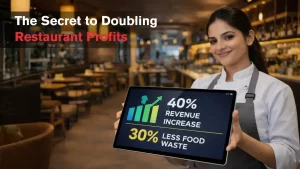
Are you struggling to maximize profits at your restaurant? Toyaja’s RestoMPOS — a mobile-first POS and CRM system built specifically for India’s food service industry — can dramatically transform your bottom line. In one real-world implementation, a small dine-in restaurant in Hyderabad saw a 25% reduction in food waste, improved profit margins by 5%, and a 30% reduction in order processing time within the first few months, significantly enhancing guest satisfaction.
When you choose Toyaja RestoMPOS, the benefits extend beyond just order management. With integrated labor management and real-time analytics, restaurants have reduced labor costs by up to 5% through optimized scheduling. One restaurant even converted a previously slow lunch hour into a profitable time slot — generating a 15% sales increase within just one month by leveraging RestoMPOS’s data-driven menu insights.
This case study shows exactly how a small restaurant in India leveraged Toyaja RestoMPOS to double their profits in just six months.
The Challenge: What Was Holding the Restaurant Back
Before implementing Toyaja RestoMPOS, this small eatery in Hyderabad faced numerous operational challenges that steadily eroded their profits. With a monthly revenue of approximately ₹8–12 lakhs, even small inefficiencies translated into significant losses.Manual Inventory & Food Waste
Manual inventory tracking led to costly inefficiencies, with staff struggling to maintain accurate stock levels. This resulted in frequent over-ordering and food spoilage — a particularly acute problem in India’s hot climate, where perishables have a shorter shelf life. This silently ate away at their bottom line, costing them ₹40,000–₹70,000 per month in avoidable waste.Order Inaccuracies & Kitchen Miscommunication
Without a proper digital communication system between servers and kitchen staff, misunderstandings occurred regularly, leading to unhappy customers and wasted food. Digital ordering systems reduce order errors by up to 30% compared to manual methods — errors that, in this case, were costing the restaurant repeat customers and negative word-of-mouth.Limited Payment Processing
With the rise of UPI, digital wallets (Paytm, PhonePe, Google Pay), and card payments in urban India, customers expect multiple payment options. The restaurant’s outdated billing system created frustrating bottlenecks during the busy lunch and dinner rush. Restaurants using traditional payment methods experience 20% longer checkout times compared to those offering integrated digital payments.Inconsistent Customer Experience
Without standardized procedures, service quality varied dramatically between shifts. The lack of real-time data meant management couldn’t identify recurring issues or optimize operations. These combined factors created a perfect storm of inefficiencies that consistently undermined the restaurant’s profitability.The Solution: Implementing Toyaja RestoMPOS
Facing mounting operational challenges, the restaurant team carefully selected Toyaja RestoMPOS — a cloud-based, mobile-first POS system specifically designed for India’s F&B businesses, from fine-dine restaurants to cloud kitchens and QSRs. This strategic decision addressed their core issues while providing flexibility for future growth.Structured Staff Training
Training staff properly emerged as the critical implementation factor. The restaurant developed a structured program progressing through clear phases:- System introduction and orientation (30-minute live demo)
- Hands-on practice using RestoMPOS training mode (2–3 hours)
- Shadowing experienced users during service (2–4 hours)
- Supervised live practice during off-peak hours (4–8 hours)
Integrated POS + Inventory Management
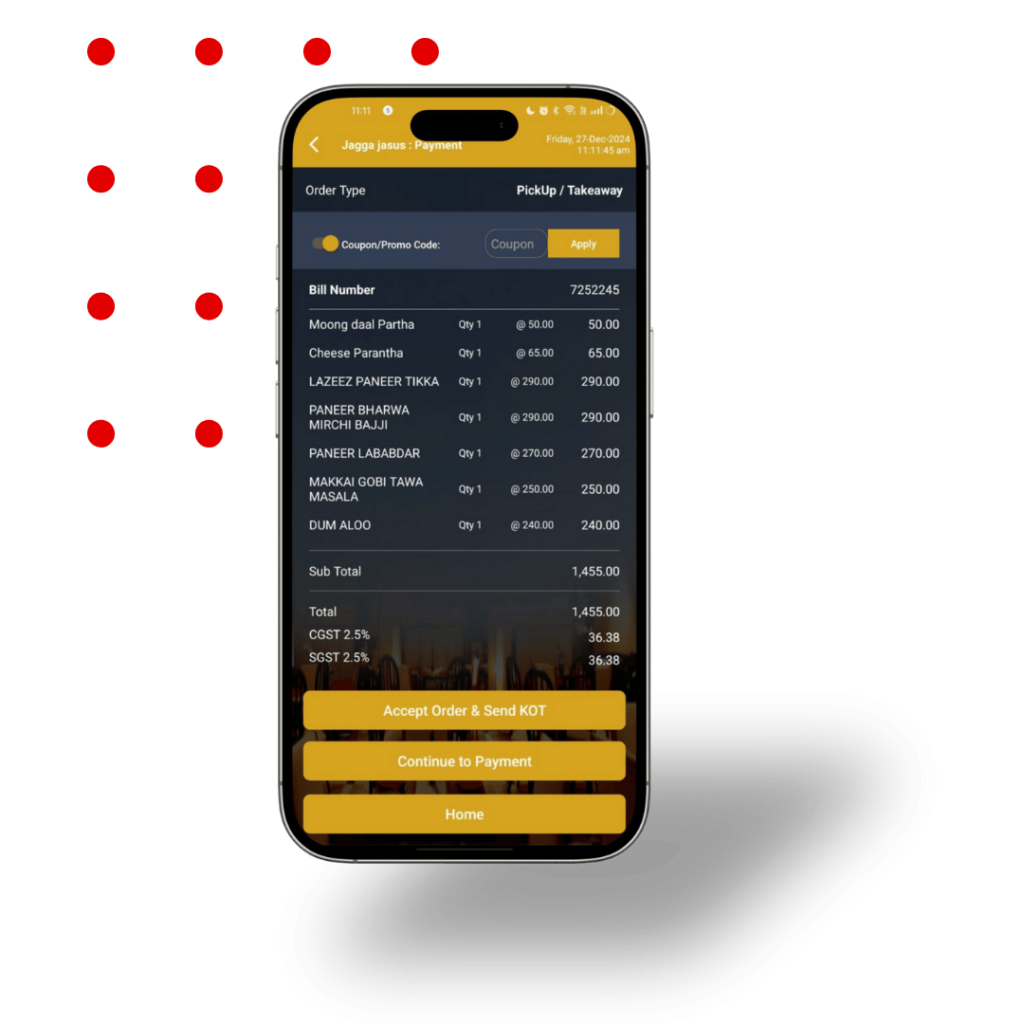
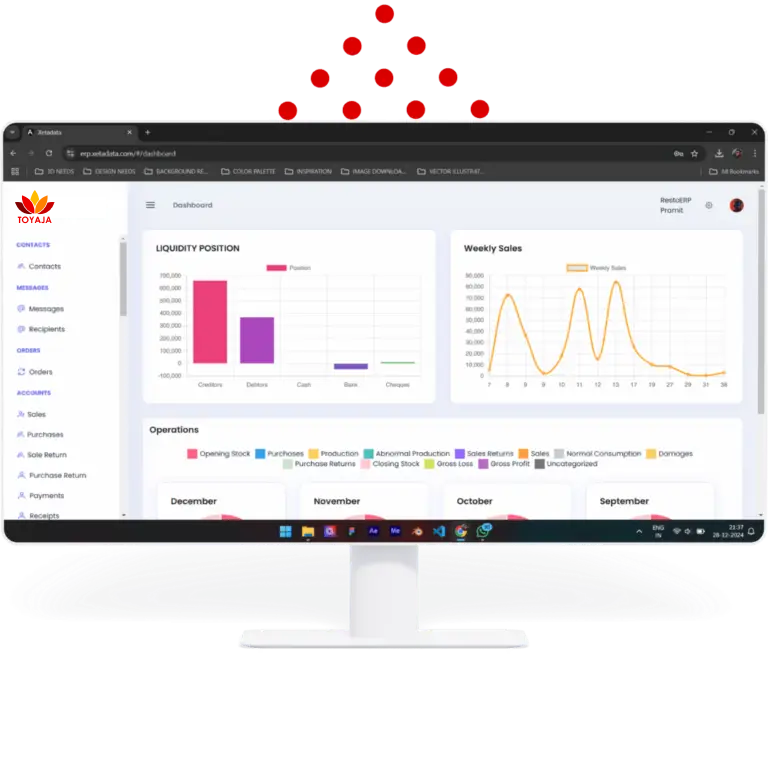
The RestoMPOS system connected payment processing directly with inventory management, allowing automatic stock tracking in real time. Ingredients were linked to menu sales, preventing stockouts through low-stock alerts and reorder thresholds. Combined with RestoERP for back-office operations, the restaurant gained complete 360-degree operational control.Multi-Channel Order Management
RestoMPOS seamlessly managed orders across dine-in, takeaway, and online delivery platforms — all from a single mobile interface. Kitchen Display System (KDS) integration ensured that orders reached the kitchen instantly and accurately, eliminating verbal miscommunication entirely.UPI & Digital Payment Integration
RestoMPOS supported all major Indian payment modes — UPI (BHIM, Paytm, PhonePe, Google Pay), credit/debit cards, and cash — reducing checkout friction during peak hours. Customers appreciated the speed; staff appreciated the accuracy of auto-reconciled billing.The Results: How Profits Doubled in 6 Months
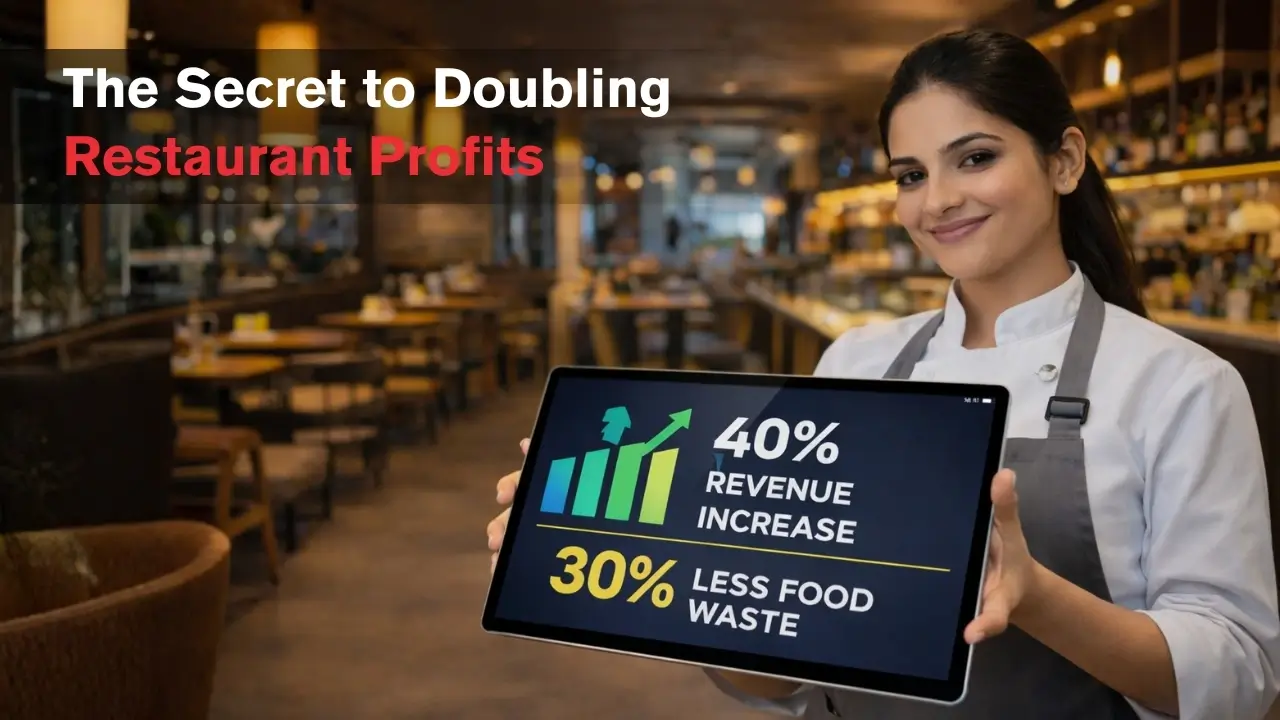
The implementation of Toyaja RestoMPOS yielded remarkable results for this small establishment. Within just six months, the restaurant experienced a striking 40% jump in revenue — taking their monthly turnover from ₹10 lakhs to approximately ₹14 lakhs.| Performance Metric | Before RestoMPOS | After RestoMPOS |
|---|---|---|
| Monthly Revenue | ₹8–10 Lakhs | ₹2.4–13 Lakhs (+40%) |
| Monthly Food Waste Cost | ₹60,000–₹80,000 | ₹20,000–₹30,000 (−60%) |
| Order Error Rate | ~15–18% | ~3–5% (−70%) |
| Table Turnover (per shift) | 4–5 turns/table | 6–7 turns/table (+30%) |
| Avg. Checkout Time | 8–12 minutes | 3–5 minutes (−55%) |
| Loyalty Customer Spend | Baseline | +20% more per visit |
| Profit Margin | ~8–10% | ~18–22% (+double) |
Food Waste & Cost Control
Food waste plummeted as RestoMPOS’s inventory tracking alerted staff about ingredients nearing expiration, resulting in a 20–30% reduction in overall waste. Monthly waste costs dropped from ₹60,000–₹80,000 to under ₹30,000. This directly boosted profit margins by 15–20%, saving the restaurant upwards of ₹3–5 lakhs annually.Faster Table Turnover = More Revenue
By streamlining order processing and multi-mode payments, the restaurant increased table turnover by 20–30%, allowing them to serve more covers during the busy lunch (12:00–2:30 PM) and dinner (7:00–10:30 PM) rush. The same physical space — without expanding by a single seat — now generated considerably more revenue.Loyalty Program & Repeat Business
The integrated CRM and loyalty program proved exceptionally valuable. Data showed that loyalty members spent 20% more per visit than non-members. Given that increasing customer retention by just 5% can boost profits by 25–95%, this impact cannot be overstated — particularly in Hyderabad’s competitive dining market, where repeat footfall is a key differentiator.Data-Driven Decision Making
Perhaps most importantly, RestoMPOS’s real-time analytics empowered management to make smarter decisions. By identifying sales trends, peak hours, and customer preferences, they optimized staffing, refined menu offerings, and targeted WhatsApp marketing campaigns. The slow 3:00–6:00 PM period was converted into a profitable snack and beverages window — generating a 15% sales increase within just one month.Financial Impact Summary (in Indian Rupees)
Below is a simplified financial snapshot showing the tangible monetary impact of implementing Toyaja RestoMPOS for a small Indian restaurant with a pre-implementation monthly revenue of ₹10 lakhs.| Financial Category | Before (Monthly) | After (Monthly) |
|---|---|---|
| Total Revenue | ₹10,00,000 | ₹14,00,000 |
| Food Waste Cost | ₹70,000 | ₹25,000 |
| Labour Cost (optimized) | ₹1,50,000 | ₹1,27,500 |
| Order Error Refunds/Waste | ₹30,000 | ₹8,000 |
| Net Profit (est.) | ₹80,000–₹1,00,000 | ₹1,90,000–₹2,50,000 |
Conclusion
This case study clearly demonstrates how Toyaja RestoMPOS can transform a struggling Indian restaurant into a thriving, profitable business. In just six months, this small Hyderabad eatery doubled its net profits — achieving a 40% revenue increase, cutting food waste by 20–30%, and saving ₹3–5 lakhs annually in avoidable costs.
Beyond the numbers, RestoMPOS provided invaluable business intelligence. Management gained access to real-time data on sales patterns, inventory levels, and customer preferences — enabling smarter decisions about staffing, menu design, and marketing. The integrated loyalty CRM encouraged repeat visits, with members spending 20% more per visit than casual diners.
Customer loyalty also played a significant role in this success story. Faster table turnover meant serving more guests during peak hours without expanding the physical space — maximising returns from the same investment. For Indian restaurant owners navigating rising food inflation, high real estate costs, and an increasingly digital-first customer base, RestoMPOS delivers a compelling and measurable return on investment.
Your restaurant likely faces similar challenges. Implementing Toyaja RestoMPOS could help you achieve comparable results. Though the transition requires careful planning and staff training, Toyaja’s team — with 14+ years of exclusive F&B expertise and clients like Tajmahal Hotel, Babai Bhojanam, Jaaju’s Kitchen & Bar and Wild Valley Resorts — ensures a smooth and supported onboarding journey.
Ultimately, RestoMPOS is more than a billing tool. It is a comprehensive restaurant management platform that streamlines operations, enhances guest satisfaction, and significantly boosts your bottom line. The transformation this restaurant experienced shows what is possible when the right technology meets good business practices — in India’s dynamic and competitive food service landscape.