What is Happening?
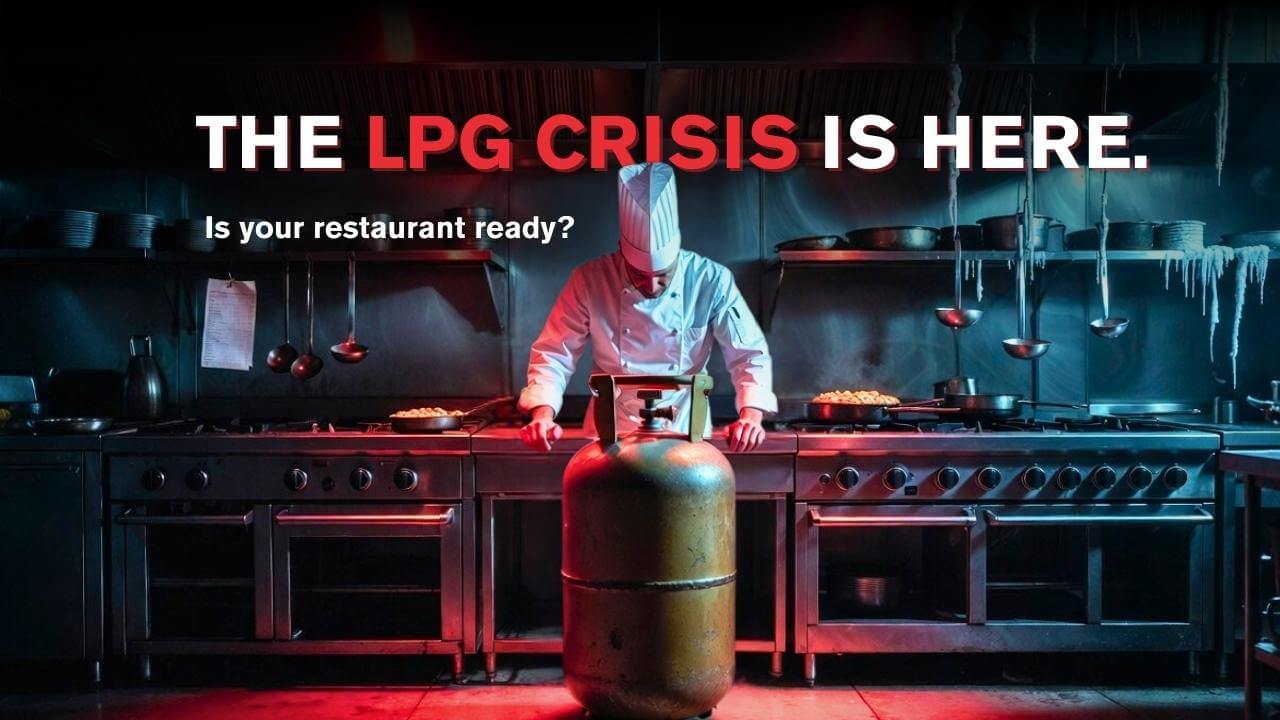
On 10 March 2026, the National Restaurant Association of India (NRAI) issued an urgent official advisory to all its members across the country. The reason: Ongoing geopolitical developments have severely disrupted the supply chain of commercial LPG – the cooking fuel that powers nearly every professional restaurant kitchen in India. This is not a forecast or a warning about something that might happen. The disruption is already underway. NRAI, the apex body of India’s restaurant industry, has formally put this on record and is asking every restaurant operator to act immediately. If you own or operate a restaurant, dhaba, cloud kitchen, cafe, or any food service business – this directly affects you.Why should you take this seriously?
- The restaurant industry in India runs almost entirely on commercial LPG for cooking.
- Unlike domestic households, commercial kitchens cannot simply switch to a smaller cylinder or an induction stove overnight - the scale and speed of cooking demand continuous, high-volume gas supply.
- A busy mid-sized restaurant can consume multiple LPG cynlinders every single day.
- When supply tightens, costs rise sharply and delivers get delayed or stopped altogether.
- In a worst-case scenario, kitchens may not be able to operate at all.
- This is not just fuel problem - it is a direct threat to business continuity.
- The restaurant industry employs millions of people across India — chefs, servers, delivery staff, farmers, and suppliers. A disrupted restaurant industry means disrupted livelihoods at scale
What Is NRAI Asking Restaurants to Do Right Now?
NRAI’s advisory is detailed and covers six key action areas. Here is a breakdown of each:1. Immediate LPG Conservation in the Kitchen
These are steps every kitchen can implement immediately, with zero investment:- Rationalize your menu — temporarily prioritize dishes that cook faster and use less gas.
- Suspend or reduce items that require long simmering, slow cooking, deep frying, or multiple burners running simultaneously
- Turn off pilot flames on gas ranges and equipment when not actively in use
- Batch cook — prepare larger quantities at one go instead of multiple small cooking cycles throughout the day
- Use lids while cooking to retain heat and reduce the time and gas needed to maintain temperature
- Switch to pressure cooking wherever your recipes allow — it significantly reduces cooking time and fuel usage
- Pre-soak ingredients like rice, lentils, grains, and legumes before cooking to cut down cooking duration
- Avoid keeping burners on standby during slow service periods
- Match burner size to utensil size — Train your kitchen staff daily on gas conservation habit
- Train your kitchen staff daily on gas conservation habits — discipline in the kitchen is the most cost-free conservation measure available
2. Operational Efficiency — Work Smarter, Not Harder
Beyond individual cooking habits, NRAI recommends restructuring how your kitchen operates as a whole:
- Consolidate kitchen production through a central kitchen model wherever feasible — prepare common items centrally and distribute to multiple outlets
- Pre-prep all ingredients during off-peak hours so that during service, burners are on for shorter, more purposeful periods
- Avoid running fryers and woks at partial loads — wait until you can run full batches
- Group similar cooking processes together to make the most of each burner session
- Review and reduce operating hours at low-demand location – staying open through slow periods just burns gas with little revenue return
- Simplify your menu temporarily- fewer dishes means fewer burner, less prep, and a more manageable kitchen
- Share recources across nearby outlets – centralize production of gravies, sauces, chutneys, and pre-cooked bases, then distribute.
- Track LPG consumption daily, outlet by outlet – you cannot manage what you do not measure
- Maintain all burners and gas pipelines regularly – leaks and inefficient burners silently waste enormous amounts of gas every day
3. Explore Alternative Cooking Equipment
This is a medium-term step, but given the uncertainty around how long this crisis will last, NRAI is urging operators to begin evaluating now:
- Induction cooking equipment for processes that don’t require open flame
- Electric griddles and electric fryers as substitutes for certain cooking tasks
- Combi ovens and convection ovens for baking, roasting, and reheating
- Electric rice cookers and steamers for high-volume staple preparation
- Infrared or electric salamanders for finishing dishes
- Even if you cannot switch entirely to electric, partially migrating even 20–30% of your cooking to electric equipment can meaningfully reduce your LPG dependency and give you more runway during this crisis
4. Customer and Business Adjustments
Your customers will notice changes. Being proactive about how you communicate is critical:
- Introduce a limited crisis menu — curate a focused set of dishes that are fast to cook, popular with customers, and light on gas usage
- Communicate honestly and transparently with your customers if certain dishes are temporarily unavailable — customers respect honesty far more than unexplained gaps
- Restrict your operational hours to peak periods only — identify your highest-revenue hours and concentrate all your gas usage within those windows. Staying open during dead hours is an avoidable drain
5. Collaborate With Fellow Restaurateurs
This crisis affects every operator, not just you. NRAI is encouraging the industry to respond collectively:
- Connect with other restaurant owners in your locality — share what’s working, what isn’t, and how you’re adapting
- Coordinate bulk LPG procurement with nearby operators where possible — collective buying can improve availability and negotiate better terms
- Stay connected with your local NRAI chapter — chapters have been asked to actively monitor LPG availability in their regions and escalate challenges to the national body
6. Government Engagement — NRAI Is Fighting for the Industry
You are not navigating this alone at the policy level either. NRAI is actively engaging with relevant government authorities on three key demands:
- Recognition of the restaurant industry as an Essential Supply sector — which would give it priority access to commercial LPG during shortage periods
- Protection of commercial LPG allocations for the food service industry
- Emergency supply mechanisms to be activated if the disruption worsens
This advocacy is ongoing, and NRAI has committed to keeping all members updated as the situation evolves.
What You Should Do Today
- Call a kitchen team meeting today and brief your staff on conservation measures
- Audit your menu and identify which dishes to temporarily suspend
- Check your burners and pipelines for any inefficiencies or leaks
- Contact your local NRAI chapter and stay plugged into updates
- Begin evaluating electric cooking alternatives even if you are not ready to invest immediately
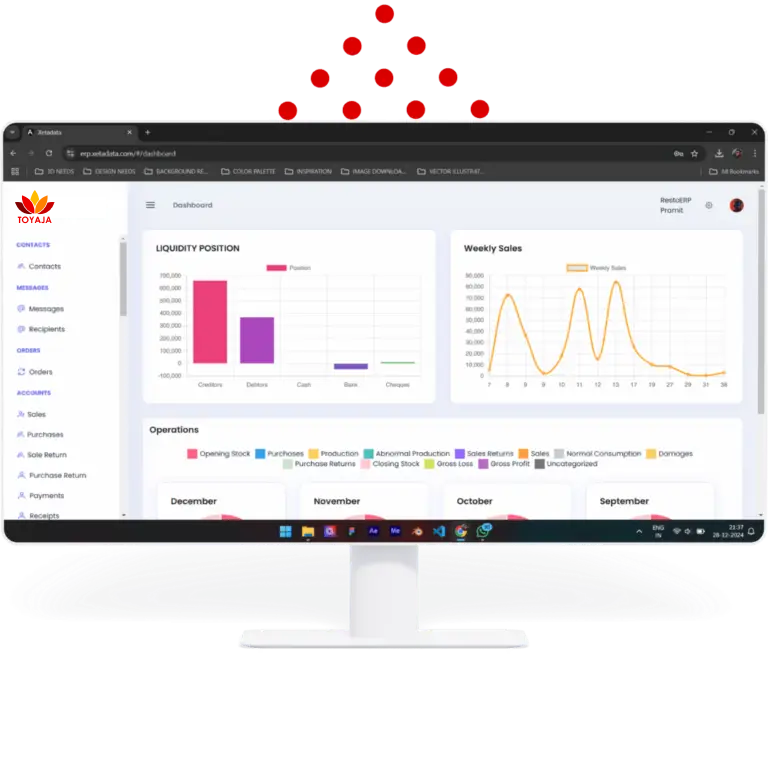
How Toyaja Restaurant Solution can help you
You are not navigating this alone at the policy level either. NRAI is actively engaging with relevant government authorities on three key demands:- Kitchen Display System (KDS) – helps manage bulk food preparation by digitally displaying orders to kitchen staff, reducing errors and speeding up communication.
- Waitlist management – tools allow restaurants to forecast the number of guests waiting in queue and those dining, helping staff plan seating and service more effectively.
- Production management – systems optimize kitchen workflows and resource use, ensuring better efficiency and consistent output during peak hours.
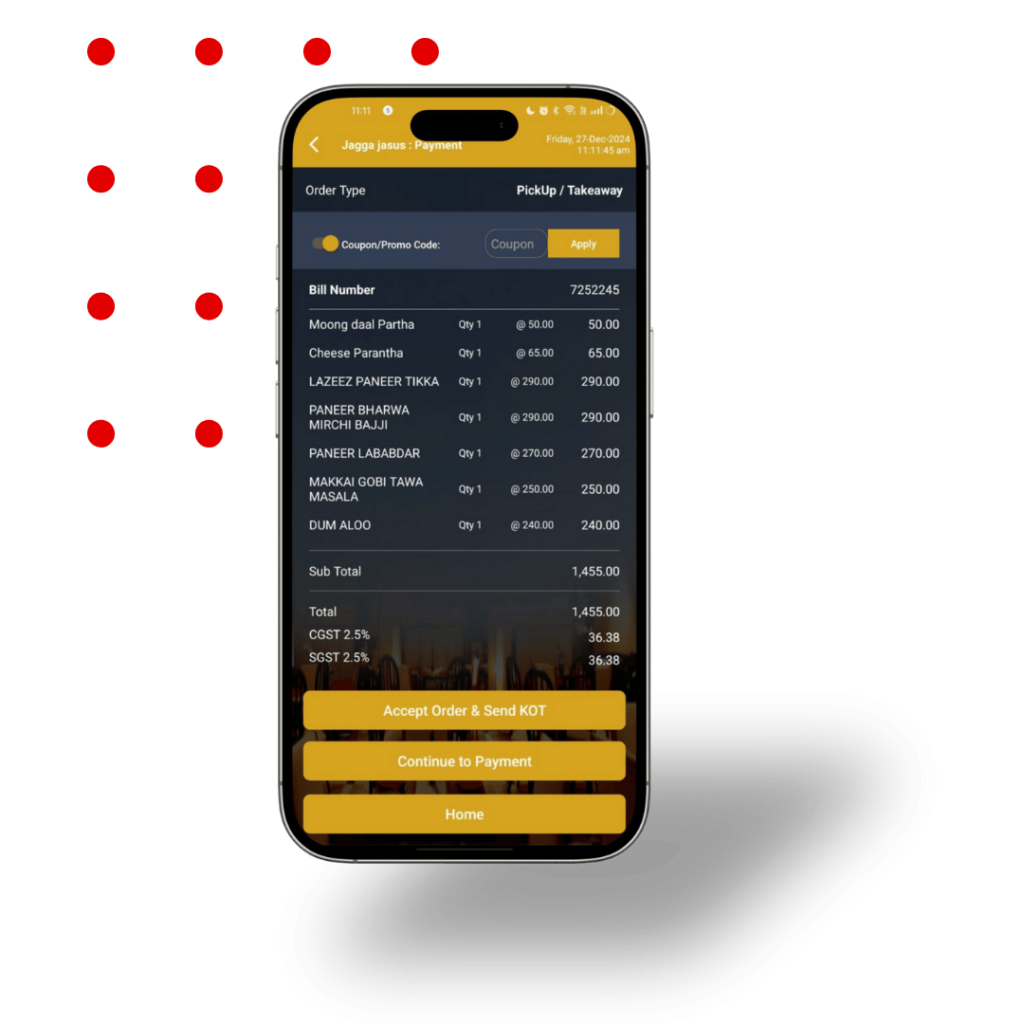
- Smart Resto MPOS (Mobile Point of Sale) – streamlines order taking and payment processes, improving coordination between tables and the kitchen and enhancing efficiency of food preparation. Hence optimum utilisation of fuel in the kitchen.
The Bottom Line
- The LPG crisis is real, it is happening now, and it will affect your restaurant if it hasn’t already
- Every day of inaction is a day of unnecessary waste and unnecessary risk
- The measures NRAI recommends are largely practical, low-cost, and implementable immediately
- The restaurants that act fast — conserve fuel, streamline operations, adjust menus, and communicate clearly with customers — will be the ones that protect their staff, their revenue, and their business through this period
- The ones that wait will find themselves scrambling when supply tightens further
India’s restaurant industry has faced serious headwinds before and has come through stronger each time. This moment demands the same collective resolve — awareness, discipline, and swift action.
Stay informed. Stay prepared.